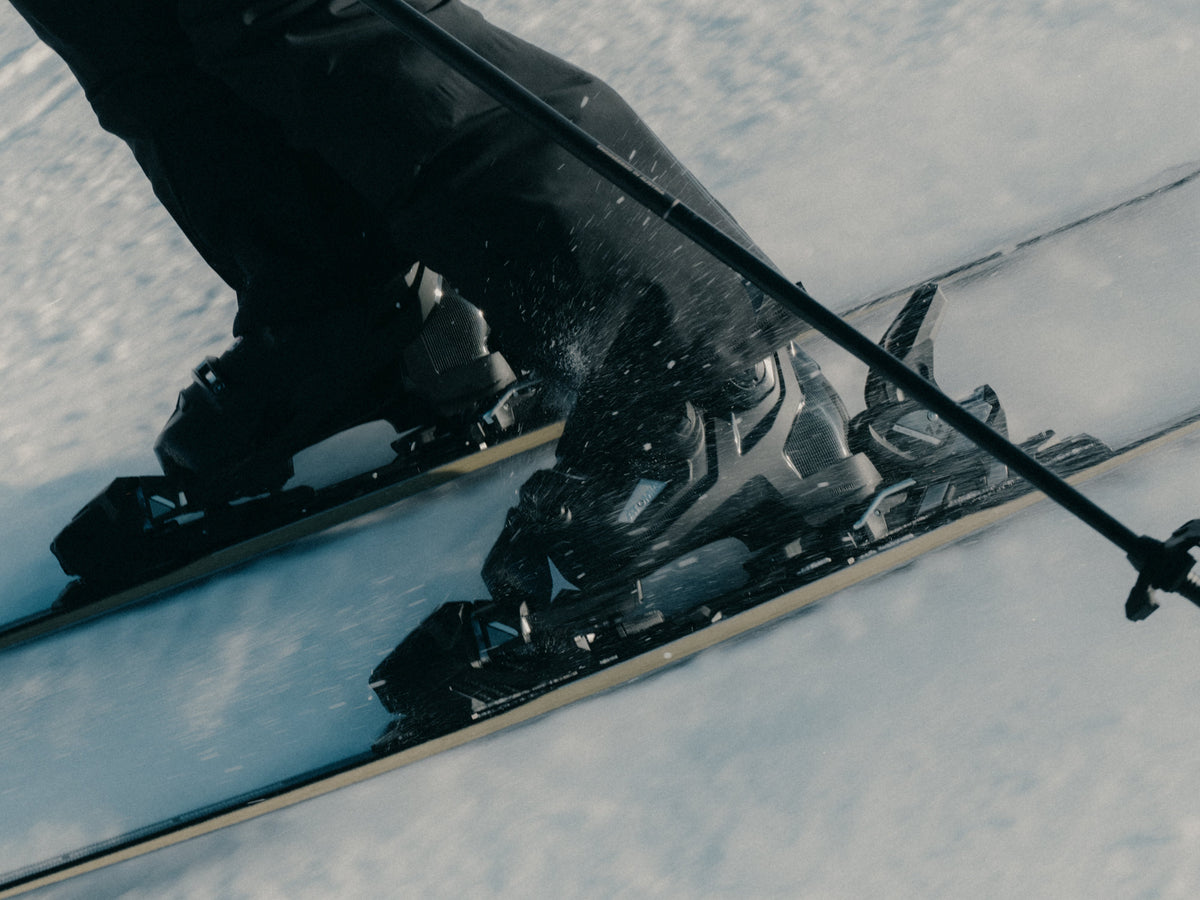
Whether you're buying new skis, changing boots or preparing for the season, correctly adjusted ski bindings are an essential part of your safety. Your bindings connect you to your skis, helping deliver control, power transfer and reliable release function when needed.
Because every skier and every boot setup is different, ski bindings should always be adjusted and checked by an authorized dealer.


Ski bindings are designed to keep your boots securely connected to your skis during normal skiing while releasing under specific forces in certain types of falls.
The amount of force required before the binding releases is known as the release setting, also referred to as the Z value or DIN.
Setting the correct release value is only one part of the adjustment process. An authorized binding technician will also check boot compatibility, binding fit and forward pressure to ensure the entire system works together as intended.
Correctly adjusted bindings help your equipment perform as designed.
If the release setting, Z value or DIN, is too low, your skis may release unexpectedly. If the value is too high, the bindings may not release when intended.
Manufacturers use standardized release-setting charts together with several personal and equipment-specific factors, including:
- Weight
- Height
- Age
- Skier type (ability and style)
- Actual boot sole length
Boot sole length is measured in millimeters. While a measurement is often marked on the boot shell, the actual boot sole length should be measured, as differences of up to 4mm can occur.
Using these measurements helps ensure the binding is adjusted to the manufacturer's specifications.
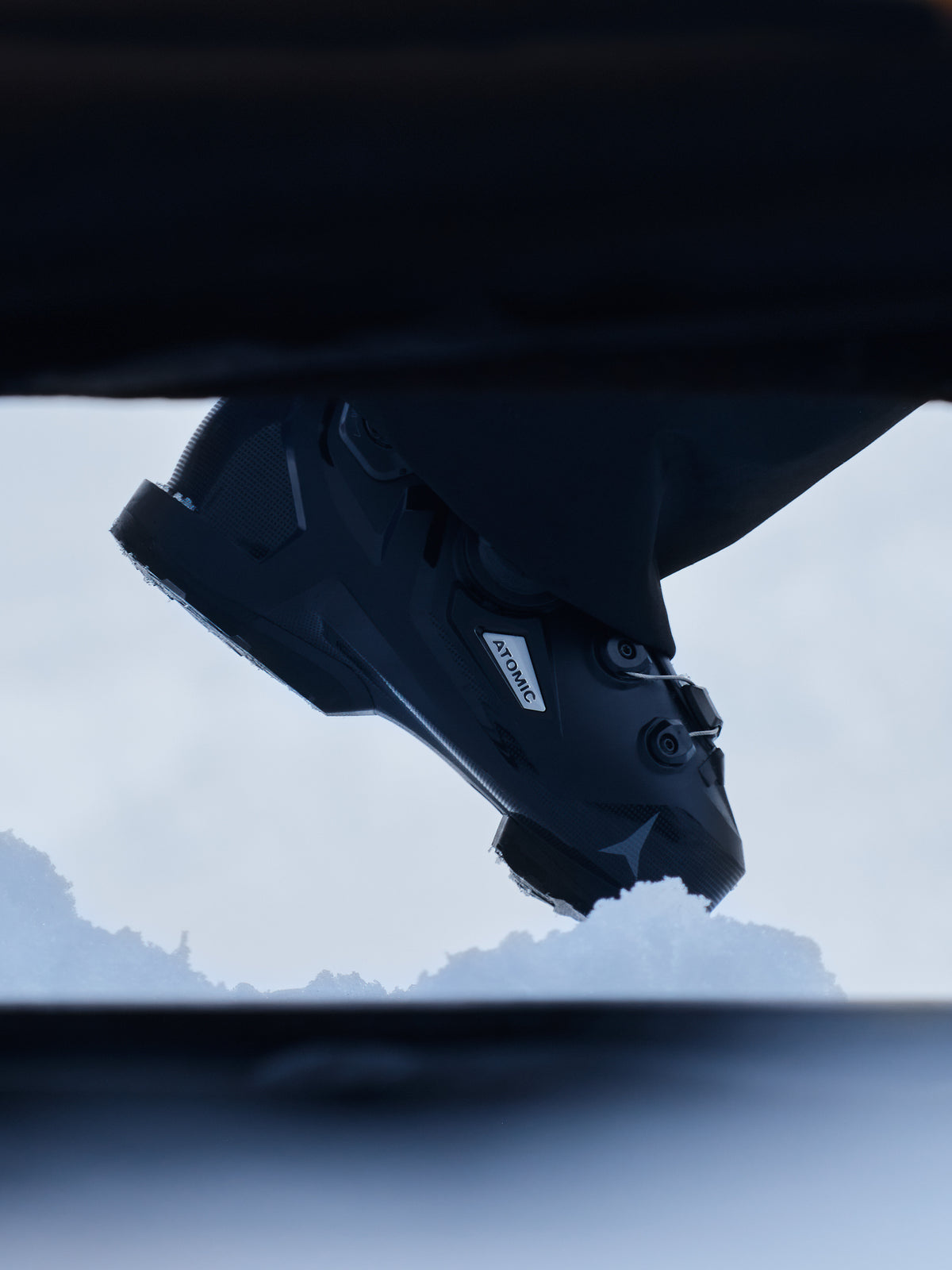
Even if your new boots are the same size as your previous pair, they may not have the same boot sole length.
A change of only a few millimeters can affect binding position, forward pressure and release performance.
Whenever you change boots, an authorized dealer should:
- Measure the actual boot sole length
- Verify boot and binding compatibility
- Adjust the binding if required
- Check forward pressure and overall function
This helps ensure your equipment continues to perform as intended.
While the purpose of every alpine ski binding is essentially the same, adjustment procedures can vary depending on the model.
Common binding types include:
- Alpine bindings
- GripWalk-compatible bindings
- Touring bindings
- Junior bindings
Each has its own adjustment requirements, which should always be carried out according to the manufacturer's specifications by a certified technician.
Your bindings should be adjusted or checked whenever you:
- Buy new skis
- Change ski boots
- Suspect your bindings have been knocked out of adjustment
- Notice signs of wear or damage
- Prepare your equipment for a new season
As part of regular maintenance, bindings should also be inspected at least once a year or every 20 skier days, whichever comes first.
Bindings experience vibration, impacts and regular wear throughout the season, so periodic inspection is an important part of equipment maintenance.
During an inspection, an authorized dealer will typically check:
- Release settings
- Forward pressure
- Boot compatibility
- Wear or damage
- Loose or corroded components
Regular servicing helps keep your equipment performing as designed season after season.


Frequently Asked Questions
Can I adjust my ski bindings myself?
Binding adjustments should always be carried out by an authorized dealer. They have the expertise and equipment to correctly adjust the release settings and verify that the complete binding system functions according to the manufacturer's specifications.
How is my release setting determined?
Manufacturers use standardized charts that consider your weight, height, age, skier type and measured boot sole length to determine the recommended release setting, Z value or DIN.
Do I need my bindings adjusted when I buy new boots?
Yes. Even boots with the same labelled size can have different actual sole lengths. Whenever you change boots, it is important to measure the boot, verify compatibility, and adjust the bindings if needed.