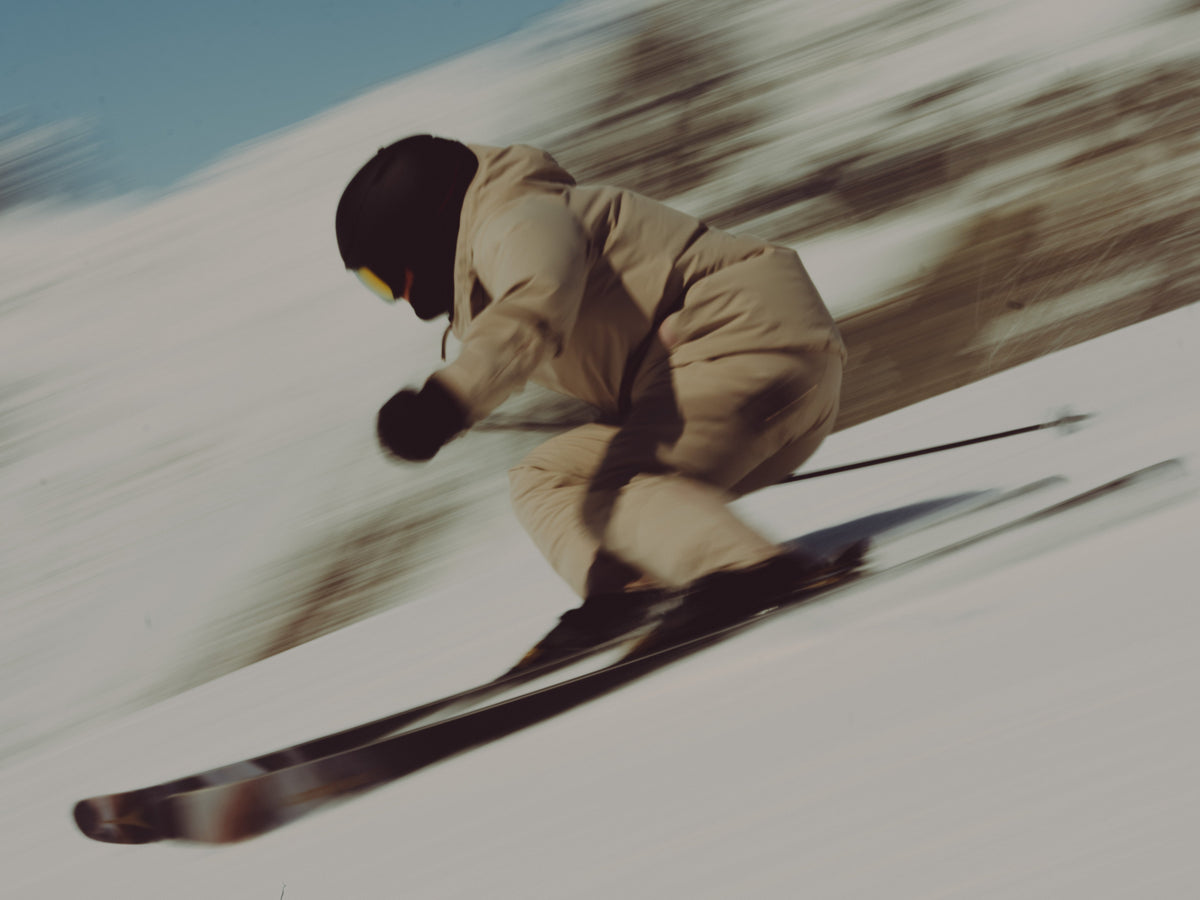
How to Dress for Skiing in Any Winter Conditions
Here’s where skiers go wrong when they’re dressing for a cold day outside: They put on as many layers as possible, thinking more must mean warmer. The problem is as soon as you move around the mountain, you may overheat, which leads to sweating and then freezing. Now you’ve gone from too hot to too cold.
So, how do you create a smart ski layering system that regulates body temperature, manages moisture, and protects you from the elements? We’re here to help. The quick answer is start with a moisture-wicking baselayer, add insulation that matches the conditions, and finish with a weather-protecting outer layer. Adjust as temperatures, terrain, and activity levels change. Here’s how to dress for skiing in any weather and conditions.
Skiing is a tricky sport to dress for. The weather is constantly changing and so is your activity level. If you don’t layer properly, it can be a day ender. Each layer serves a specific purpose:
Base Layer: Your next-to-skin layer pulls moisture away from your skin and dries quickly.
Midlayer: An insulated or fleece midlayer provides warmth.
Outer Layer: A waterproof/breathable shell protects against wind, snow, and moisture.
Together, these layers create a system that can adapt to changing temperatures, weather, and activity levels. The fabrics you choose make all the difference. Cotton is never a good call when you’re out in the mountains as it absorbs moisture and dries slowly, so once it gets wet from sweat or snow, it leaves you feeling frigid. High-performance fabrics like merino wool, polyester, down or synthetic insulation, and two or three-layer hardshells are designed to do the opposite. They’ll dry quickly and pull moisture away from your body while maintaining warmth.
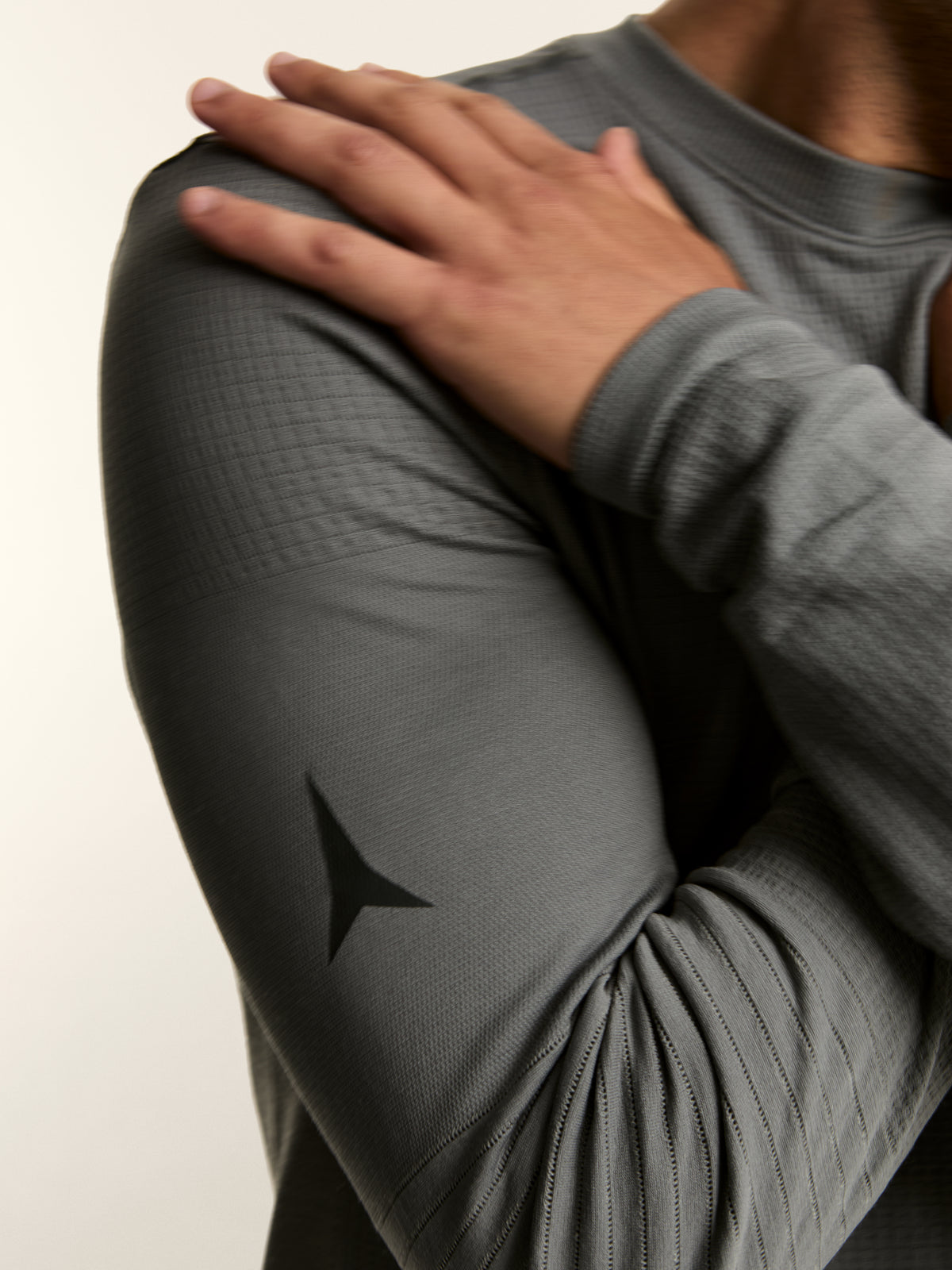
Layer 1: The Base Layer
Your baselayer’s primary job isn’t warmth—it’s moisture management. A proper ski baselayer pulls sweat away from your skin so it can evaporate before it cools your body. Ski-specific baselayers tend to come in one of two fabrics: merino wool or synthetic.
Merino Wool vs. Synthetic Baselayers
For most skiers, we lean toward merino wool for all-day comfort and versatility. Merino wool is a natural fiber known to regulate body temperature, perform well across a range of climates, and it has odor-regulating properties over continued wear.
If you’re skiing hard, sweating heavily, or in warm conditions, synthetic fibers like polyester or nylon can be a good choice thanks to their lightweight and quick-drying feel.
Merino Wool
- Naturally regulates body temperature.
- Fights odor during multi-day use.
- Feels soft against the skin.
- Performs well across a range of climates.
- Can feel warmer and less breathable than synthetics.
- More expensive than polyester.
Synthetic Materials
- Dries quickly.
- Often costs less than merino.
- Excellent for high-output activities.
- Lightweight and durable.
- Can be smelly after sustained use.
Choose the Right Layering Weight
Layers come in a range of fabric weights and thickness, and not every ski day requires the same layer. Various weather forecasts and terrain call for different choices.
Lightweight: Best for spring skiing, warm resort days, and high-output touring.
Midweight: The most versatile option for everyday resort skiing.
Heavyweight: Ideal for extremely cold temperatures, skiing with a group where waiting might be required, or skiers who naturally run cold.


Layer 2: The Midlayer
Your midlayer is the heart of your layering system, and the right choice can make a big impact.
If it’s below freezing, stormy out, or you’re skiing only on piste, consider an insulated puffy for added warmth.
Or, if it’s a warm day—say, over 0ºC and sunny—or you’re hiking for your turns, you may prefer a thinner layer, like a lightweight fleece, synthetic micropuff, or a vest.
Fleece
- Thin, easy to layer with.
- Breathable for active skiing.
- Performs well when damp.
Synthetic Insulation
- Quick drying and maintains warmth when wet.
- Versatile in changing weather.
- Great choice for everyday resort skiing or stormier conditions.
When do I Need a Midlayer?
There are times when you may not need a midlayer, like a warm spring day or an off-piste outing where you’re doing a lot of hiking. In those cases, a shell and baselayer can be enough. (But consider packing an emergency midlayer just in case temps drop.)
Also, skiers who opt for insulated jackets—a two-in-one shell with an insulating liner that can be a good choice for resort skiing—may find they don’t need an additional midlayer.
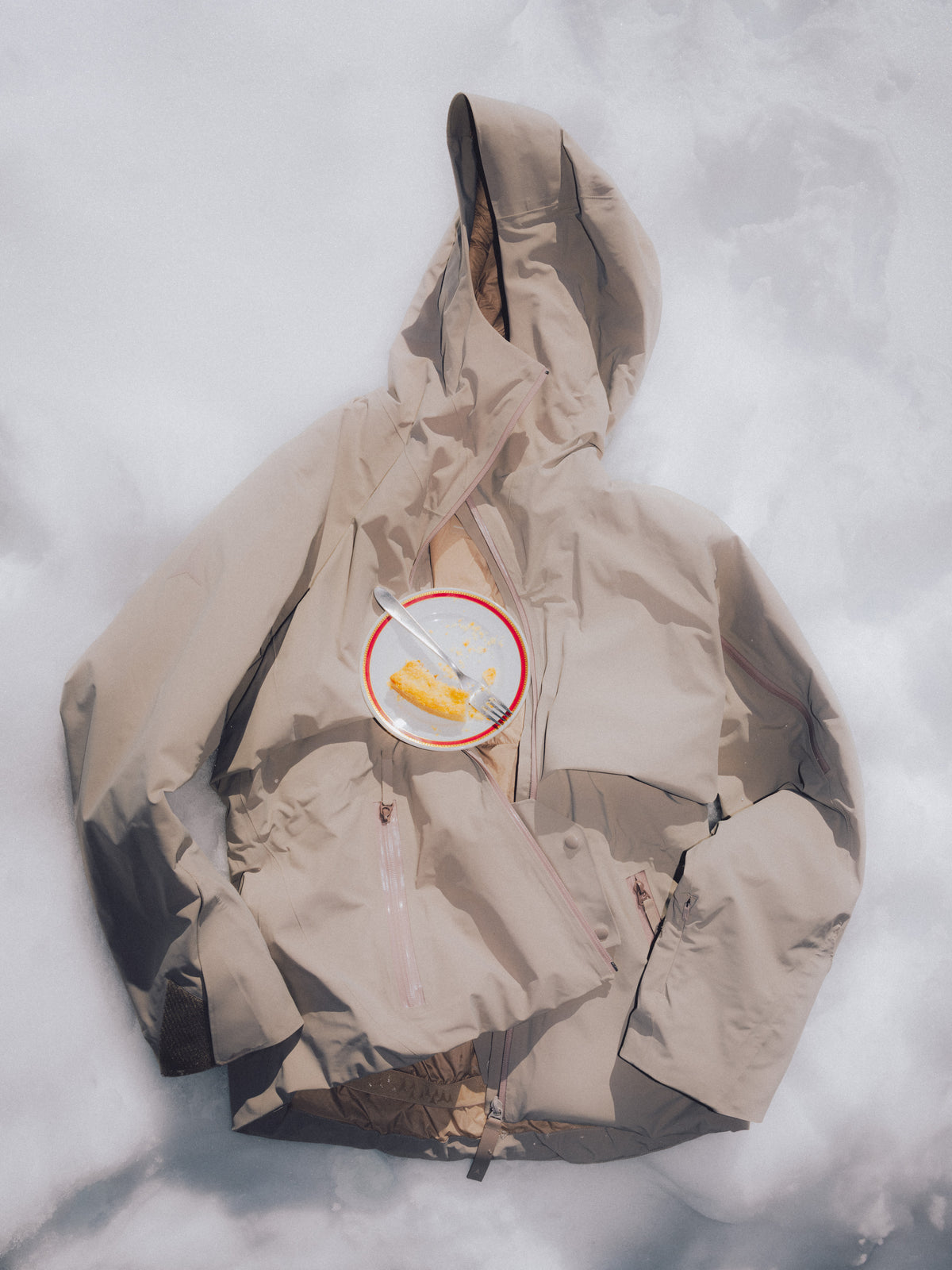
Layer 3: The Outer Layer
Your outer layer protects you from snow, wind, rain, and helps your body release heat on warmer days. Most people don’t have multiple jacket options when it comes to outer layers, so you’ll want to choose a jacket that’s versatile enough to handle a range of conditions.
Shell vs. Insulated Jacket
An insulated jacket combines built-in warmth and weather protection in a single piece, making it a simpler option for resort skiing or those who live in consistently cold climates. A shell jacket—in either hardshell or softshell fabric—is more versatile because you can adjust midlayers and insulation levels as temperatures change. For skiers who experience a wide range of conditions throughout the season, shells offer more flexibility.
To learn more about the differences between softshells and hardshells, read our article on jacket types.
Waterproofing and Breathability
Waterproof fabrics keep snow and wetness out, while breathable materials allow sweat vapor to escape. For extremely wet and stormy conditions, you’ll want a higher waterproof rating, which should be listed under the jacket specifications.
Same for breathability ratings: The more active you plan to be, the higher breathability rating you want.
Atomic’s 3LAYR Protect fabric, which is used in the Revent 3L Shell Jacket and Bib Pant, has a 20,000mm waterproof rating and a 20,000g breathability rating, which offers high levels of both.
Anything over 10,000g in waterproof and breathability rating will offer protection from wet conditions and sufficient breathability. Look for those rating numbers in the product descriptions and details.
Features Worth Looking For
When making apparel, Atomic’s design team considers a skier’s needs in every detail. The goal? Create skier-specific features that significantly improve comfort and functionality on snow.
Be sure to look for these features:
- Underarm vents and thigh vents for cooling.
- Helmet-compatible hoods.
- Adjustable and reinforced cuffs.
- Ample, well-placed zippered pockets.
- Ski pass pocket.
Ski Pants and Bibs
Ski pants are weatherproof, sometimes insulated outer pants, often with an adjustable waist system; whereas bibs come with a bib top or suspenders.
Whether you prefer ski pants or bibs, look for breathability, ventilation, and enough room to comfortably fit your baselayers underneath. Bibs offer additional coverage in deep snow and storm conditions, while traditional ski pants can provide a lighter, more streamlined feel. Underneath your bibs or pants, you’ll want to wear either merino or synthetic baselayer bottoms, or you can also add insulated shorts.
Condition - Recommended Layering Setup
- Cold and dry: Midweight/heavyweight baselayer + insulated midlayer + waterproof hardshell
- Mild resort day: Midweight base layer + fleece mid layer + shell
- Warm spring skiing: Lightweight base layer + shell with vents
- Stormy, wet powder day: Midweight base layer + synthetic insulation + highly waterproof shell and bibs
- Backcountry touring: Lightweight base layer + breathable fleece + lightweight shell


Layering by Conditions and Terrain
Wet Storm Day
Prioritize warmth and quick-drying materials with a midweight or heavyweight baselayer, insulating midlayer, and waterproof shell. You’ll want fleece or synthetic insulation versus down since they perform better when wet. Protect exposed skin with a neckwarmer, goggles, and choose insulated gloves or mittens. Features like powder skirts, bibs, and helmet-compatible hoods help keep snow out when conditions get deep. Make sure to close the vents on your helmet and outerwear to keep dry and don’t remove your gloves throughout the day (they’ll be tough to get back on when wet).
Cold Dry Conditions
Start with a mid or heavyweight baselayer, add an insulating midlayer, which packs warmth without adding bulk, and end with a protective shell. An insulated shell works well on cold, dry days as well. Bib ski pants or insulated ski pants and mittens can add a layer of warmth and protection.
Mild Groomer Day
If your output is low, you may want to dress in warmer layers to stay comfortable. Go for a midweight merino baselayer, a fleece or insulating midlayer, and a shell. Consider adding a vest or keeping a warmer down midlayer option around as a backup in case you get cold.
Warm Spring Skiing
Warm temperatures can lead to overheating. (Which can lead to sweating and freezing.) A lightweight baselayer and breathable shell can prevent this. Open pit zips, remove layers when necessary, wear thin spring gloves, and open the vents on your helmet. If it’s really warm with zero wind, you could opt to ski in just a baselayer and midlayer (like a hooded fleece or micropuff)—and ditch the shell entirely.
Backcountry Touring
When you’re climbing under your own power, breathability matters more than maximum insulation. Choose lighter layers, adjust ventilation, and add or remove layers as the day goes on. Always carry an emergency insulating layer and shell for transitions and windy summits.
Finish It Off with Accessories
The small pieces in your kit often have the biggest impact on comfort.
Gloves vs. Mittens
Mittens are generally warmer because your fingers share heat. Gloves offer more dexterity.
For cold-weather skiing, adding thin glove liners can significantly increase warmth and versatility.
Ski Socks
The rule is simple: Wear one pair of ski-specific socks. Never double up and be sure to avoid cotton. Thin socks can actually be warmer than thick ones since they don’t restrict circulation or impact the fit of your ski boots. Compression socks can also help improve circulation. The right ski sock should enhance boot fit and keep your feet warm.
Neck Gaiters, Helmets, and Goggles
A neckwarmer or balaclava protects exposed skin from wind and cold and can serve as an additional warming layer. Properly fitted goggles with the right lens choice for the day improves visibility in changing weather. And a helmet with open/close ventilation provides essential protection while also retaining or releasing heat, depending on the temps. More on the perfect helmet fit can be found in the article here. You can add a thin liner cap or headband under your helmet on cold days or throw your shell’s hood over the top.
Frequently Asked Questions (FAQ)
-
How many layers should you wear skiing?
Most skiers need three layers: a baselayer, a midlayer, and an exterior layer. The thickness of each layer should change depending on temperature and activity level.
-
Can you wear a regular town jacket skiing?
You can, but ski-specific outerwear is designed with waterproofing, breathability, ventilation, and ski-specific features—like a hood that goes over your helmet or a powder skirt that keeps snow out—that make it significantly more comfortable on the mountain.
-
What should you wear skiing if you’re a beginner?
The same layering principles apply on your first ski day and your hundredth day of the season. Start with a moisture-wicking base layer, add an insulating midlayer and finish with a waterproof outer layer.
-
Is merino wool worth it for ski baselayers?
For many skiers, yes. Merino wool offers excellent temperature regulation, comfort, and odor resistance, making it one of the most versatile baselayer materials out there.
-
What do you wear under ski pants?
A ski-specific baselayer bottom is typically all you need under your pants. You could also opt for insulated ski pants or insulated shorts under your ski pants if it’s exceptionally cold.
-
Why am I sweating while I ski?
Overheating and sweating is a result of wearing too many layers for the day or not ventilating properly. Ditch a layer, open your vents, and always choose moisture-wicking, high-performance fabrics that release heat before you start sweating.
-
What should I not wear skiing?
Common things to avoid when skiing are cotton fabrics that get cold when wet and don’t dry. Also, overly bulky layers that will cause you to feel constricted or overstuffed. Thick, overly padded ski socks can cause bunching and impact the fit of your ski boots, so best to avoid those, too. If it’s a storm day, avoid wearing a down puffy as your exterior layer—it’ll get wet immediately. You’re much better off in a waterproof shell with an insulating layer underneath.